
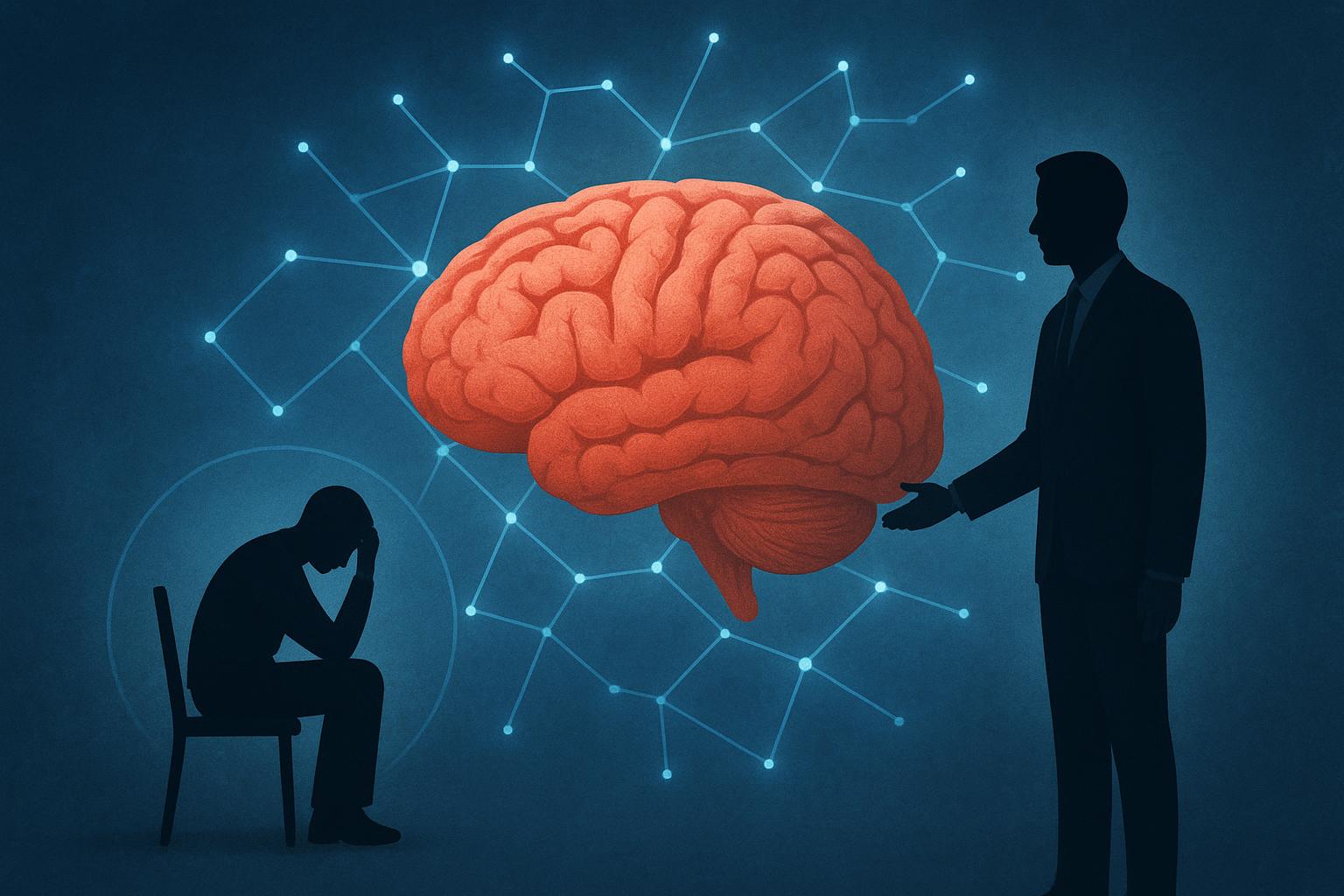
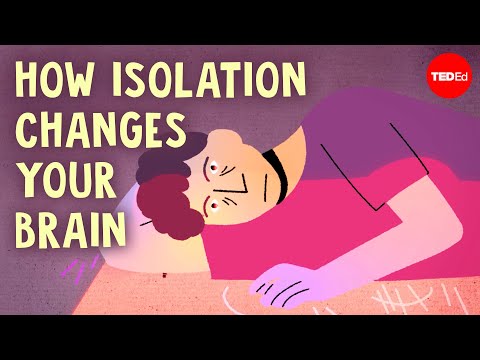
TED-Ed • Explore the effects that isolation has on your body and brain, and how a lack of interaction and activity can impact our well-being. -- Everyone needs time to themselves, and peaceful solitude has stress-relieving benefits. But when being alone is forced upon you, the effects can be surprisingly extensive. And though different people experience distinct effects, symptoms tend to become more severe and persistent the longer one’s isolated. So, how exactly does isolation affect your body and brain? Terry Kupers investigates. Lesson by Terry Kupers, directed by Camille Bovey. Support Our Non-Profit Mission ---------------------------------------------- Support us on Patreon: http://bit.ly/TEDEdPatreon Check out our merch: http://bit.ly/TEDEDShop ---------------------------------------------- Connect With Us ---------------------------------------------- Sign up for our newsletter: http://bit.ly/TEDEdNewsletter Follow us on Facebook: http://bit.ly/TEDEdFacebook Find us on Twitter: http://bit.ly/TEDEdTwitter Peep us on Instagram: http://bit.ly/TEDEdInstagram ---------------------------------------------- Keep Learning ---------------------------------------------- View full lesson: https://ed.ted.com/lessons/what-happens-to-your-brain-without-any-social-contact-terry-kupers Dig deeper with additional resources: https://ed.ted.com/lessons/what-happens-to-your-brain-without-any-social-contact-terry-kupers/digdeeper Animator's website: https://camillebovey.com Music: https://www.wonderboyaudio.com Sound design: https://www.campstudio.co ---------------------------------------------- Thank you so much to our patrons for your support! Without you this video would not be possible! Jay M, Constantino Victor Delgado, Andrea Galvagni, Andrew Tweddle, Laurel-Ann Rice, Fernando A. Endo, Helen Lee, pam morgan, sarim haq, Gerardo Castro, Michel-Ange Hortegat, Enes Kirimi, Amaury BISIAUX, ND, Samyogita Hardikar, Vanessa Graulich, Vandana Gunwani, Abdulmohsin Almadi, AJ Lyon, Geoffrey Bultitude, Mi Mi, Thomas Rothert, Brian Elieson, Oge O, Weronika Falkowska, Nevin Spoljaric, Sid Chanpuriya, Anoop Varghese, David Yastremski, Noah Webb, Roberto Chena, Oliver Koo, Luke Pisano, Andrea Gordon, Aleksandar Donev, Nicole Klau Ibarra, Jesse Lira, Ezekiel Raui, Petr Vacek, Dennis, Olivia Fu, Kari Teffeau, Cindy Lai, Rajath Durgada Manjunath, Dan Nguyen, Chin Beng Tan, Tom Boman, Karen Warner, Iryna Panasiuk, and Aaron Torres.
Content Summary
This report is generated from research on the following videos, based on the requirements set in Video Deep Research.
Analyze selected videos,
My goal is 📑 Discover Content Intelligence
My role is 🎙️ Consultant/Advisor
I need: 🤵 Client demands assessment

https:...L-R4
Summary
1. Leveraging Behavioral Cues for Strategic Assessment
Knowledge Snap
Strategy 1: Assessing Cognitive Integrity Cues
🎬 Related Clip
(2)
Video Title
01:32 - 02:04
A person's sense of identity and reality becomes threatened when they are deprived of communication.
01:37 - 02:08
Thoughts begin to spiral and impulses take control when a person is deprived of communication.
Strategy 2: Navigating Systemic Demand Signals
🎬 Related Clip
(2)
Video Title
04:34 - 05:05
Prison authorities increasingly used solitary confinement to maintain control as prisons grew crowded.
04:41 - 05:14
Many people have been placed in solitary confinement for minor and nonviolent infractions.
Strategy 3: Behavioral Reintegration Mapping
🎬 Related Clip
(2)
Video Title
05:05 - 05:39
Solitary confinement has lasting effects that make readjusting to life outside of a cell difficult.
05:27 - 05:58
People who have been isolated often have difficulty concentrating and connecting with others.
Strategy 4: Evaluation of Humane Alternatives
🎬 Related Clip
(2)
Video Title
06:01 - 06:30
Other countries have centered more humane approaches toward people who are imprisoned.
06:26 - 06:30
Low rates of recidivism indicate that people tend to get better when together.
Intelligence Mapping: The Cognitive Architecture of Social Isolation
UCsooa4yRKGN_zEE8iknghZA
🧘
Solitude versus Forced Isolation
00:13 - 00:44
Distinguishing between beneficial personal time and the damaging effects of involuntary confinement on an individual.
📈
Chronic Stress Development
01:01 - 01:32
The rapid spike of stress hormones in early isolation leads to chronic physiological strain over time.
🔍
Social Reality Testing
01:22 - 01:55
Social interactions serve as a critical sounding board for maintaining rational perceptions and individual identity.
🧠
Structural Brain Alterations
01:50 - 02:25
Prolonged isolation causes the limbic system to become hyperactive while the prefrontal cortex potentially shrinks.
🏥
Somatic Health Deterioration
02:40 - 03:12
Physical symptoms like heart palpitations and digestive issues emerge as a result of cognitive and emotional imbalance.
⚖️
Institutional Control Tactics
04:34 - 05:05
Historical shifts show prisons increasingly using solitary confinement to maintain control despite public and legal criticism.
⚠️
Post-Traumatic Barriers
05:09 - 05:39
Former prisoners face extreme difficulty readjusting to society due to lasting paranoia and personality shifts.
🤝
The Communal Recovery Model
06:26 - 06:30
Comparing global systems demonstrates that investment in social interaction leads to lower recidivism and better recovery.
Learning Pathway for Content Intelligence in Client Assessment
| Stage | Videos |
|---|---|
1. Diagnosing the Need for Social Reality Testing | that isolation has on your body and brain, and how a lack of interaction and activity can impact our well-being. -- Everyone needs time to themselves, and peaceful solitude has stress-relieving benefits. But when being alone is forced upon you, the effects can be surprisingly extensive. And though different people experience distinct effects, symptoms tend to become more severe and persistent the longer one’s isolated. So, how exactly does isolation affect your body and brain? Terry Kupers investigates. Lesson by Terry Kupers, directed by Camille Bovey. Support Our Non-Profit Mission ---------------------------------------------- Support us on Patreon: http://bit.ly/TEDEdPatreon Check out our merch: http://bit.ly/TEDEDShop ---------------------------------------------- Connect With Us ---------------------------------------------- Sign up for our newsletter: http://bit.ly/TEDEdNewsletter Follow us on Facebook: http://bit.ly/TEDEdFacebook Find us on Twitter: http://bit.ly/TEDEdTwitter Peep us on Instagram: http://bit.ly/TEDEdInstagram ---------------------------------------------- Keep Learning ---------------------------------------------- View full lesson: https://ed.ted.com/lessons/what-happens-to-your-brain-without-any-social-contact-terry-kupers Dig deeper with additional resources: https://ed.ted.com/lessons/what-happens-to-your-brain-without-any-social-contact-terry-kupers/digdeeper Animator's website: https://camillebovey.com Music: https://www.wonderboyaudio.com Sound design: https://www.campstudio.co ---------------------------------------------- Thank you so much to our patrons for your support! Without you this video would not be possible! Jay M, Constantino Victor Delgado, Andrea Galvagni, Andrew Tweddle, Laurel-Ann Rice, Fernando A. Endo, Helen Lee, pam morgan, sarim haq, Gerardo Castro, Michel-Ange Hortegat, Enes Kirimi, Amaury BISIAUX, ND, Samyogita Hardikar, Vanessa Graulich, Vandana Gunwani, Abdulmohsin Almadi, AJ Lyon, Geoffrey Bultitude, Mi Mi, Thomas Rothert, Brian Elieson, Oge O, Weronika Falkowska, Nevin Spoljaric, Sid Chanpuriya, Anoop Varghese, David Yastremski, Noah Webb, Roberto Chena, Oliver Koo, Luke Pisano, Andrea Gordon, Aleksandar Donev, Nicole Klau Ibarra, Jesse Lira, Ezekiel Raui, Petr Vacek, Dennis, Olivia Fu, Kari Teffeau, Cindy Lai, Rajath Durgada Manjunath, Dan Nguyen, Chin Beng Tan, Tom Boman, Karen Warner, Iryna Panasiuk, and Aaron Torres. |
2. Identifying Demand Signals of Cognitive Decline | that isolation has on your body and brain, and how a lack of interaction and activity can impact our well-being. -- Everyone needs time to themselves, and peaceful solitude has stress-relieving benefits. But when being alone is forced upon you, the effects can be surprisingly extensive. And though different people experience distinct effects, symptoms tend to become more severe and persistent the longer one’s isolated. So, how exactly does isolation affect your body and brain? Terry Kupers investigates. Lesson by Terry Kupers, directed by Camille Bovey. Support Our Non-Profit Mission ---------------------------------------------- Support us on Patreon: http://bit.ly/TEDEdPatreon Check out our merch: http://bit.ly/TEDEDShop ---------------------------------------------- Connect With Us ---------------------------------------------- Sign up for our newsletter: http://bit.ly/TEDEdNewsletter Follow us on Facebook: http://bit.ly/TEDEdFacebook Find us on Twitter: http://bit.ly/TEDEdTwitter Peep us on Instagram: http://bit.ly/TEDEdInstagram ---------------------------------------------- Keep Learning ---------------------------------------------- View full lesson: https://ed.ted.com/lessons/what-happens-to-your-brain-without-any-social-contact-terry-kupers Dig deeper with additional resources: https://ed.ted.com/lessons/what-happens-to-your-brain-without-any-social-contact-terry-kupers/digdeeper Animator's website: https://camillebovey.com Music: https://www.wonderboyaudio.com Sound design: https://www.campstudio.co ---------------------------------------------- Thank you so much to our patrons for your support! Without you this video would not be possible! Jay M, Constantino Victor Delgado, Andrea Galvagni, Andrew Tweddle, Laurel-Ann Rice, Fernando A. Endo, Helen Lee, pam morgan, sarim haq, Gerardo Castro, Michel-Ange Hortegat, Enes Kirimi, Amaury BISIAUX, ND, Samyogita Hardikar, Vanessa Graulich, Vandana Gunwani, Abdulmohsin Almadi, AJ Lyon, Geoffrey Bultitude, Mi Mi, Thomas Rothert, Brian Elieson, Oge O, Weronika Falkowska, Nevin Spoljaric, Sid Chanpuriya, Anoop Varghese, David Yastremski, Noah Webb, Roberto Chena, Oliver Koo, Luke Pisano, Andrea Gordon, Aleksandar Donev, Nicole Klau Ibarra, Jesse Lira, Ezekiel Raui, Petr Vacek, Dennis, Olivia Fu, Kari Teffeau, Cindy Lai, Rajath Durgada Manjunath, Dan Nguyen, Chin Beng Tan, Tom Boman, Karen Warner, Iryna Panasiuk, and Aaron Torres. |
3. Evaluating the Efficacy of Environment on Outcomes | that isolation has on your body and brain, and how a lack of interaction and activity can impact our well-being. -- Everyone needs time to themselves, and peaceful solitude has stress-relieving benefits. But when being alone is forced upon you, the effects can be surprisingly extensive. And though different people experience distinct effects, symptoms tend to become more severe and persistent the longer one’s isolated. So, how exactly does isolation affect your body and brain? Terry Kupers investigates. Lesson by Terry Kupers, directed by Camille Bovey. Support Our Non-Profit Mission ---------------------------------------------- Support us on Patreon: http://bit.ly/TEDEdPatreon Check out our merch: http://bit.ly/TEDEDShop ---------------------------------------------- Connect With Us ---------------------------------------------- Sign up for our newsletter: http://bit.ly/TEDEdNewsletter Follow us on Facebook: http://bit.ly/TEDEdFacebook Find us on Twitter: http://bit.ly/TEDEdTwitter Peep us on Instagram: http://bit.ly/TEDEdInstagram ---------------------------------------------- Keep Learning ---------------------------------------------- View full lesson: https://ed.ted.com/lessons/what-happens-to-your-brain-without-any-social-contact-terry-kupers Dig deeper with additional resources: https://ed.ted.com/lessons/what-happens-to-your-brain-without-any-social-contact-terry-kupers/digdeeper Animator's website: https://camillebovey.com Music: https://www.wonderboyaudio.com Sound design: https://www.campstudio.co ---------------------------------------------- Thank you so much to our patrons for your support! Without you this video would not be possible! Jay M, Constantino Victor Delgado, Andrea Galvagni, Andrew Tweddle, Laurel-Ann Rice, Fernando A. Endo, Helen Lee, pam morgan, sarim haq, Gerardo Castro, Michel-Ange Hortegat, Enes Kirimi, Amaury BISIAUX, ND, Samyogita Hardikar, Vanessa Graulich, Vandana Gunwani, Abdulmohsin Almadi, AJ Lyon, Geoffrey Bultitude, Mi Mi, Thomas Rothert, Brian Elieson, Oge O, Weronika Falkowska, Nevin Spoljaric, Sid Chanpuriya, Anoop Varghese, David Yastremski, Noah Webb, Roberto Chena, Oliver Koo, Luke Pisano, Andrea Gordon, Aleksandar Donev, Nicole Klau Ibarra, Jesse Lira, Ezekiel Raui, Petr Vacek, Dennis, Olivia Fu, Kari Teffeau, Cindy Lai, Rajath Durgada Manjunath, Dan Nguyen, Chin Beng Tan, Tom Boman, Karen Warner, Iryna Panasiuk, and Aaron Torres. |
4. Architecting Strategies for Communal Success | that isolation has on your body and brain, and how a lack of interaction and activity can impact our well-being. -- Everyone needs time to themselves, and peaceful solitude has stress-relieving benefits. But when being alone is forced upon you, the effects can be surprisingly extensive. And though different people experience distinct effects, symptoms tend to become more severe and persistent the longer one’s isolated. So, how exactly does isolation affect your body and brain? Terry Kupers investigates. Lesson by Terry Kupers, directed by Camille Bovey. Support Our Non-Profit Mission ---------------------------------------------- Support us on Patreon: http://bit.ly/TEDEdPatreon Check out our merch: http://bit.ly/TEDEDShop ---------------------------------------------- Connect With Us ---------------------------------------------- Sign up for our newsletter: http://bit.ly/TEDEdNewsletter Follow us on Facebook: http://bit.ly/TEDEdFacebook Find us on Twitter: http://bit.ly/TEDEdTwitter Peep us on Instagram: http://bit.ly/TEDEdInstagram ---------------------------------------------- Keep Learning ---------------------------------------------- View full lesson: https://ed.ted.com/lessons/what-happens-to-your-brain-without-any-social-contact-terry-kupers Dig deeper with additional resources: https://ed.ted.com/lessons/what-happens-to-your-brain-without-any-social-contact-terry-kupers/digdeeper Animator's website: https://camillebovey.com Music: https://www.wonderboyaudio.com Sound design: https://www.campstudio.co ---------------------------------------------- Thank you so much to our patrons for your support! Without you this video would not be possible! Jay M, Constantino Victor Delgado, Andrea Galvagni, Andrew Tweddle, Laurel-Ann Rice, Fernando A. Endo, Helen Lee, pam morgan, sarim haq, Gerardo Castro, Michel-Ange Hortegat, Enes Kirimi, Amaury BISIAUX, ND, Samyogita Hardikar, Vanessa Graulich, Vandana Gunwani, Abdulmohsin Almadi, AJ Lyon, Geoffrey Bultitude, Mi Mi, Thomas Rothert, Brian Elieson, Oge O, Weronika Falkowska, Nevin Spoljaric, Sid Chanpuriya, Anoop Varghese, David Yastremski, Noah Webb, Roberto Chena, Oliver Koo, Luke Pisano, Andrea Gordon, Aleksandar Donev, Nicole Klau Ibarra, Jesse Lira, Ezekiel Raui, Petr Vacek, Dennis, Olivia Fu, Kari Teffeau, Cindy Lai, Rajath Durgada Manjunath, Dan Nguyen, Chin Beng Tan, Tom Boman, Karen Warner, Iryna Panasiuk, and Aaron Torres. |
Detailed Findings and Insights
1. Personality Transformation Risks
🎬 Related Clip
(1)
Video Title
05:09 - 05:39
People who have gone through solitary confinement report experiencing shifts in their personalities.
Transcription
People who have gone through solitary confinement are three times more likely
2. Administrative Evasion Tactics
🎬 Related Clip
(1)
Video Title
05:49 - 06:23
Prison authorities have created loopholes for laws that regulate solitary confinement.
Transcription
and prison authorities have created loopholes.
3. Mitigation via Routine
🎬 Related Clip
(1)
Video Title
02:54 - 03:27
A person can try to cope by establishing a healthy routine under extreme circumstances.
Transcription
One can attempt to cope by establishing the healthiest routine possible
4. The Reformist Paradox
🎬 Related Clip
(1)
Video Title
03:56 - 04:27
Solitary confinement was introduced with the belief that it would bring about reflection.
Transcription
believing it could bring about reflection and penitence—
