

Insider • How FBI Undercover Agents Actually Work | Authorized Account | Insider
Content Summary
This report is generated from research on the following videos, based on the requirements set in Video Deep Research.
Analyze selected videos,
My goal is 📑 Discover Content Intelligence
My role is 🎓 Teacher/Educator/Coach
I need: 🌟 Important knowledge identification, 🤔 Learning difficulty assessment, ⛰️ Learning pathway recommendations, ❓ Practice question generation from video content

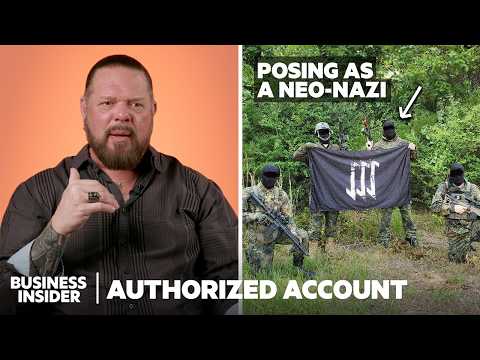

https:...Tm7g
Summary
1. The Architecture of Believable Identities
2. Strategic Safety Systems and Crisis Protocols
3. Psychological Resilience and Institutional Standards
Knowledge Snap
Knowledge Pillar 1: Persona Engineering
🎬 Related Clip
(3)
Video Title
00:00 - 00:15
Marc Ruskin explains that undercover work requires creating a believable legend or detailed backstory for the agent.
00:00 - 00:15
The narrative explores how agents must adopt specific body language and slang to blend into criminal environments.
00:00 - 00:15
Ruskin concludes that successful undercover agents must learn to balance their real lives with their criminal personas.
Knowledge Pillar 2: Strategic Credibility
🎬 Related Clip
(3)
Video Title
00:00 - 00:15
Ruskin describes the flashroll as a display of large sums of cash used to prove financial status.
00:00 - 00:15
Ruskin details the process of infiltrating organized crime groups by leveraging the existing networks of confidential informants.
00:00 - 00:15
He explains that establishing trust with criminals often takes months of careful, low-stakes social interactions and meetings.
Knowledge Pillar 3: Psychological Resilience
🎬 Related Clip
(3)
Video Title
00:00 - 00:15
The expert highlights the psychological stress of maintaining a false identity over several years of active duty.
00:00 - 00:15
The agent emphasizes that going native is a significant risk where agents start to empathize with targets.
00:00 - 00:15
Ruskin concludes that successful undercover agents must learn to balance their real lives with their criminal personas.
Knowledge Pillar 4: Risk Mitigation Technology
🎬 Related Clip
(3)
Video Title
00:00 - 00:15
He discusses the necessity of technical surveillance to monitor agents for their safety during dangerous criminal meetings.
00:00 - 00:15
Ruskin discusses the importance of having a backup team ready to intervene if an undercover deal fails.
00:00 - 00:15
The video shows how agents use concealed recording devices to capture evidence while maintaining their undercover cover.
Knowledge Pillar 5: Social Dynamics of Infiltration
🎬 Related Clip
(3)
Video Title
00:00 - 00:15
Ruskin details the process of infiltrating organized crime groups by leveraging the existing networks of confidential informants.
00:00 - 00:15
He explains that establishing trust with criminals often takes months of careful, low-stakes social interactions and meetings.
00:00 - 00:15
Ruskin describes the flashroll as a display of large sums of cash used to prove financial status.
Knowledge Pillar 6: Ethical and Procedural Logic
🎬 Related Clip
(3)
Video Title
00:00 - 00:15
He explains that undercover operations must be meticulously documented to ensure that all evidence is legally admissible.
00:00 - 00:15
Ruskin describes the process of exiting a deep-cover assignment once the primary investigation objectives are successfully met.
00:00 - 00:15
The narrator discusses the legal framework that protects agents from being prosecuted for minor illegal acts while undercover.
The Lifecycle of an Undercover Assignment
How FBI Undercover Agents Actually Work | Authorized Account | Insider
UCHJuQZuzapBh-CuhRYxIZrg
🕵️
Selection and Mental Preparation
00:00 - 00:15
Candidates are screened for psychological resilience and the ability to maintain deception under stress.
📇
Crafting the Legend
00:00 - 00:15
Agents create meticulous backstories and fake identities to survive scrutiny from criminal organizations.
🤝
Initial Infiltration Phase
00:00 - 00:15
The delicate process of making first contact and establishing trust with high-value targets.
🧠
Cognitive Load Management
00:00 - 00:15
Agents must manage the intense mental burden of living as two people simultaneously for months.
📡
Covert Communication Tactics
00:00 - 00:15
Strategies for signaling support teams and transmitting intelligence without alerting nearby suspects.
🚨
Crisis and Extraction
00:00 - 00:15
Protocols for immediate removal of an agent when their cover is suspected or compromised.
⚖️
Legal Evidence Standards
00:00 - 00:15
Ensuring all gathered information is admissible in court while avoiding claims of entrapment.
🏡
Operational Reintegration
00:00 - 00:15
The process of leaving the undercover persona and returning to standard law enforcement life.
Learning Pathway for Undercover Intelligence Operations
| Stage | Videos |
|---|---|
1. Ethics and Compliance Frameworks | How FBI Undercover Agents Actually Work | Authorized Account | Insider |
2. Applied Behavioral Mimicry | How FBI Undercover Agents Actually Work | Authorized Account | Insider |
3. Strategic Patience in Infiltration | How FBI Undercover Agents Actually Work | Authorized Account | Insider |
4. Technical Concealment Methods | How FBI Undercover Agents Actually Work | Authorized Account | Insider |
5. Resilience and Wellness Management | How FBI Undercover Agents Actually Work | Authorized Account | Insider |
Detailed Findings and Insights
1. Operational Relocation
🎬 Related Clip
(2)
Video Title
00:00 - 00:15
Ruskin mentions that agents often have to relocate and change their lifestyles completely to avoid detection during assignments.
00:00 - 00:15
The final segment reviews the long-term impact that total life changes have on the careers of undercover officers.
2. Safe House Debriefings
🎬 Related Clip
(2)
Video Title
00:00 - 00:15
He describes the protocol for using safe houses to debrief with handlers without compromising the undercover identity.
00:00 - 00:15
Ruskin mentions that agents often have to relocate and change their lifestyles completely to avoid detection during assignments.
3. Selective Legal Immunity
🎬 Related Clip
(2)
Video Title
00:00 - 00:15
The narrator discusses the legal framework that protects agents from being prosecuted for minor illegal acts while undercover.
00:00 - 00:15
He describes the protocol for using safe houses to debrief with handlers without compromising the undercover identity.
4. Distress Signal Protocols
🎬 Related Clip
(2)
Video Title
00:00 - 00:15
Ruskin explains how agents use specific verbal signals to alert their backup team of any imminent physical danger.
00:00 - 00:15
He describes the protocol for using safe houses to debrief with handlers without compromising the undercover identity.
5. Post-Mission Reintegration
🎬 Related Clip
(2)
Video Title
00:00 - 00:15
He notes that reintegrating into normal society after a long mission requires significant psychological counseling and time away.
00:00 - 00:15
The expert highlights that undercover work is often a lonely profession that strains an operative's personal family relationships.
6. Professional Isolation
🎬 Related Clip
(2)
Video Title
00:00 - 00:15
The expert highlights that undercover work is often a lonely profession that strains an operative's personal family relationships.
00:00 - 00:15
Ruskin explains how agents use specific verbal signals to alert their backup team of any imminent physical danger.
